Foundation problems in New Jersey don't usually announce themselves dramatically. More often, they show up gradually — a crack that wasn't there last year, a door that suddenly won't close right, a floor that feels softer underfoot than it used to. By the time the issue is visible and obvious, the underlying problem has often been developing for months or years. Recognizing the early warning signs of foundation trouble is one of the most important things a New Jersey property owner can do to protect their investment.
New Jersey's soil conditions, seasonal freeze-thaw cycling, and rainfall patterns all put stress on residential and commercial foundations over time. Not every crack or settlement issue is a structural emergency, but none of them should be ignored without an assessment from a qualified professional. This article covers the most common warning signs of foundation problems in New Jersey, explains what typically causes them, and helps you understand when it's time to call a licensed foundation contractor for an evaluation.
1. Cracks in Foundation Walls, Floors, or Interior Finishes
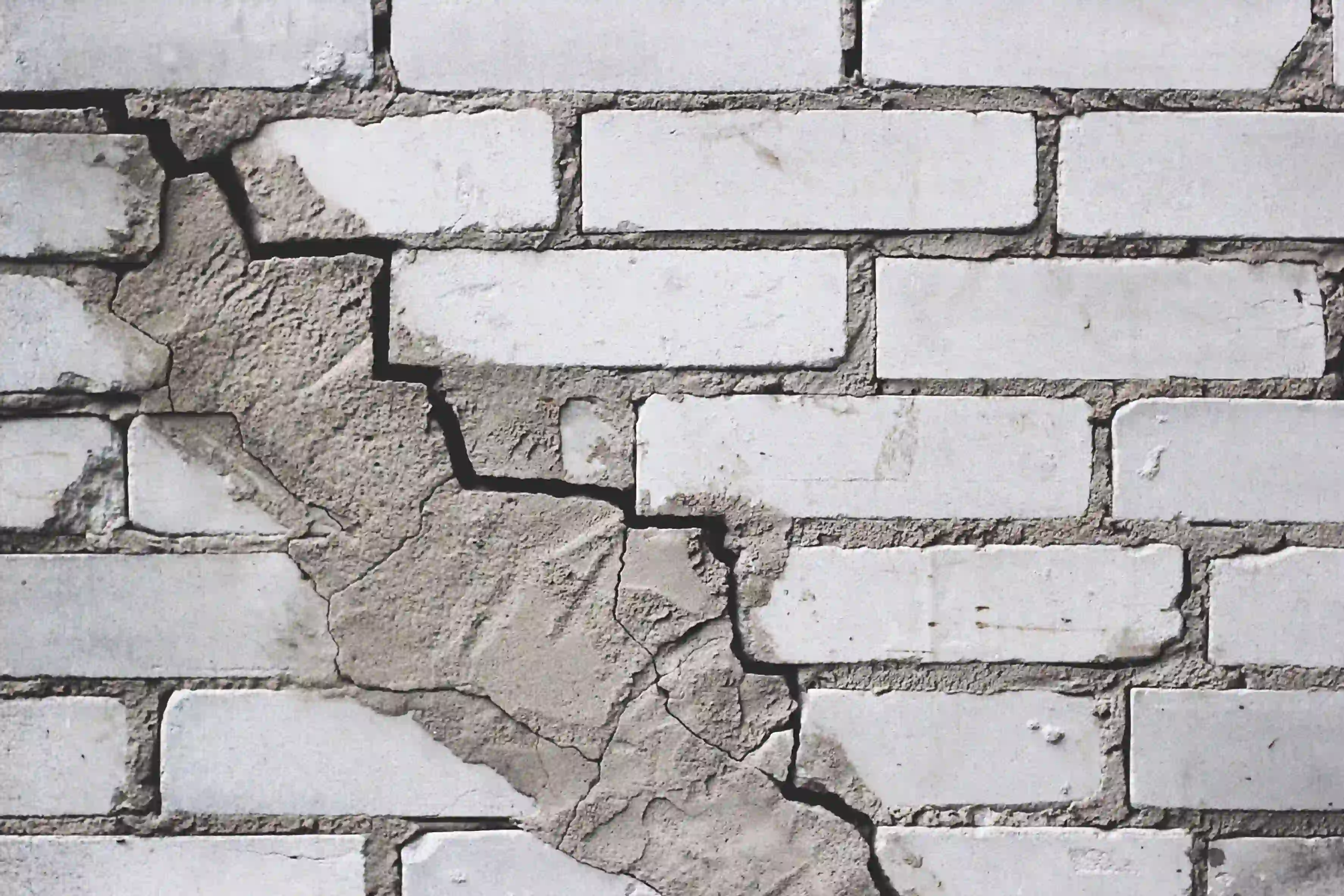
Cracks are the most visible sign of foundation movement or distress, but not all cracks mean the same thing. Hairline cracks in concrete block or poured concrete are common and often result from normal shrinkage during curing. Horizontal cracks in basement walls, on the other hand, indicate lateral pressure from soil and water and are a serious structural warning sign that requires professional evaluation. Stair-step cracks in block foundations typically indicate settlement or differential movement. Diagonal cracks at the corners of window and door openings often signal foundation movement. If you're seeing cracks that are wider than 1/4 inch, actively growing, or accompanied by other symptoms like water infiltration or wall bowing, contact a licensed foundation contractor in New Jersey for a professional assessment as soon as possible.
2. Doors and Windows That Stick, Jam, or Won't Close Correctly
When the foundation shifts, the structural frame of the building moves with it. One of the first places this shows up is in doors and windows that suddenly don't operate the way they used to. A door that previously closed smoothly now binds at the top corner. A window that used to open easily now sticks or won't latch. These symptoms happen because the door frames and window frames are racking — twisting slightly out of square — as the building settles unevenly. This is a very common early warning sign of foundation movement in New Jersey homes and commercial buildings, and it's worth taking seriously. By the time doors and windows are noticeably affected, the foundation movement has usually been underway long enough to warrant a professional evaluation.
3. Water Infiltration, Dampness, and Efflorescence in the Basement
Water getting into a basement or crawl space is one of the most common foundation-related complaints in New Jersey, and it's almost always a sign of a problem that will get worse over time without intervention. Water infiltration can occur through cracks in the foundation wall, through the joint between the wall and the floor slab, or through porous masonry. Efflorescence — the white, chalky mineral deposit that forms on masonry surfaces — indicates that water is moving through the wall and depositing minerals as it evaporates on the surface. While efflorescence alone is not a structural emergency, it confirms that water is penetrating the foundation assembly and that waterproofing and drainage corrections are needed to prevent long-term deterioration of the foundation wall.
4. Uneven Floors, Sloping, and Visible Settlement
Floors that are noticeably uneven, sloping toward one area of the building, or bouncy and soft underfoot are classic signs of foundation or substructure problems. In homes with crawl spaces, floor settling often results from deteriorated support posts, beams, or piers. In slab-on-grade construction, floor settlement can indicate voids developing beneath the slab due to soil erosion or settlement. In either case, the problem compounds over time if left unaddressed. New Jersey's freeze-thaw cycling and groundwater conditions accelerate subgrade erosion and settlement, making periodic inspections of crawl spaces and slab conditions a worthwhile investment for any residential or commercial property owner in the state.
Start Your Project Today
Contact Antilus Construction for a professional assessment and a free estimate in New Jersey.
Get Free Estimate